How it’s done
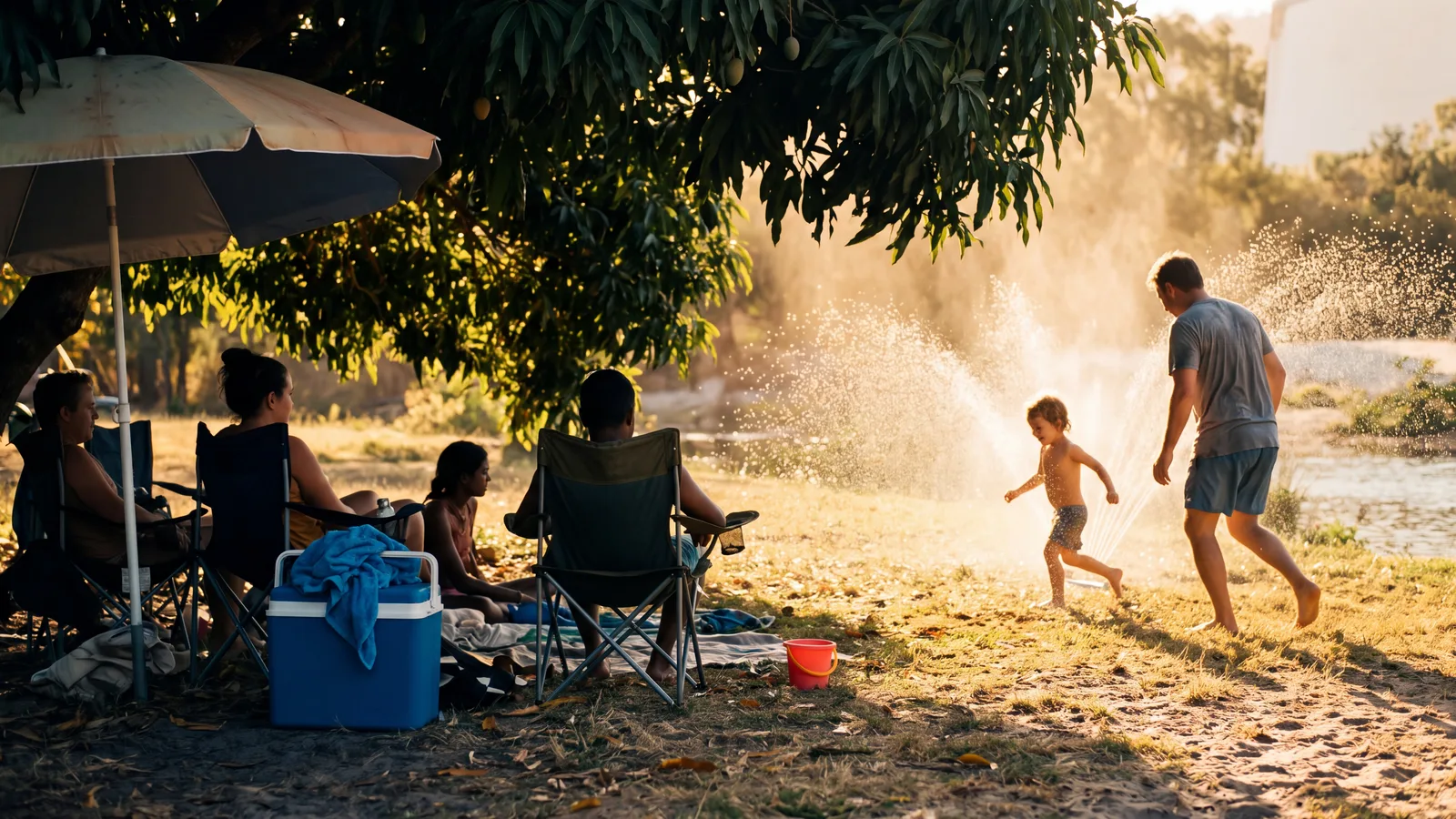
The rule fits in a sentence: every day of the break, at least one trip out the front door, even if only for half an hour. Before vacation begins, make the menu together: a sheet with fifteen or twenty free or low-cost options, sorted into four groups —move, look, visit, lend a hand. In the northern winter the menu might include going to see the neighborhood lights, sledding where there’s snow, the library, the market, the museum’s free day, the square with the skating rink. In the southern summer: the beach first thing, the fountain in the square, the river with an adult in the water, sunset in the park, the air-conditioned library, the weekend market. Each morning one child chooses (if there are several, by turns); the adult checks the clock, the weather and the wallet, and says yes or proposes another option from the same menu. The menu is the limit: everything on it is already approved, so you don’t argue every outing from scratch. The hour adjusts to the weather: in heat, early or at dusk; in cold, at midday. And the rest of the day stays free, boredom included, which also does its work.
What it builds — the why
Autonomy with edges: he chooses, inside a frame you set together. It gives the day an anchor, and a day with an anchor fights less over screens, because not all of the time is empty and waiting to be filled. It adds daylight, movement and city, and teaches something useful beyond vacation: a good menu makes choosing easier than a thousand shapeless options.
How it changes with age
0–2 Babies
3–5 Early childhood
6–9 Childhood
10–12 Preteens
13–15 Early adolescence
16–18 Adolescence
Variations
Adults who work during the break (which is most of them): the outing can be twenty minutes after work, or done by the grandmother, the uncle or whoever is caring for him, with the same menu in hand. Rainy week: the menu has a column of short indoor outings (the library, the covered market, the museum hallway). Traveling in a city that isn’t yours: build the menu the first night, from what’s nearby.
What to watch for in your child
One outing is the floor, not the ceiling: don’t turn the break into a packed schedule, because rest and boredom are part of the plan too. In heat, no midday sun: shade, water, a hat and sunscreen. In cold, layers and a shorter outing. Near water —beach, river, pool, fountain— an adult watching the whole time, no phone in hand: water allows no distractions. And watch that the menu doesn’t get a little pricier bit by bit: if an option starts to cost money, it comes off the menu or becomes the week’s special outing.