You find that your child has an account you didn't know about —a hidden profile, an app you didn't know he used— apart from the one you see. You feel betrayed and worried: what is he hiding, who does he talk to, what does he post there?
The discovery mixes the pain of broken trust with fear of what you don't control, and it pushes you to explode: ban everything, go through it all, punish in the heat of the moment. Breathe before going in like that. Having a hidden account doesn't always mean the worst: at this age, seeking a space of one's own away from the adult gaze is part of growing up, though it can also hide real risks. The explosive reaction usually achieves one thing: that he gets better at hiding. Your task is to understand why he has it, assess whether there's risk, and recover the channel more than win the battle of control.
Separate the fact from your interpretation. That a teen has a secret account or a second profile is very common, and the reasons are varied: often it's healthy and expectable —wanting a space of his own, expressing himself without the family's gaze, being with his friends without adults watching, escaping supervision he feels is excessive. Other times it hides something that does matter: contact with strangers, inappropriate content, hiding a risky behavior, or fleeing a control that went too far. The key is not to assume the worst or dismiss it, but to find out the why and assess the real risk. And it's worth looking at yourself: sometimes the secret account is a response to suffocating surveillance or to there being no space of trust to talk about his digital life. What most protects a teen online isn't total control (which pushes him to hide better), but an open relationship where he can tell you what's happening to him. The reaction to this discovery defines whether that relationship opens or closes: punishing and banning without more usually produces more hiding, not more safety.
Don't explode with bans and punishments in the heat of the moment before understanding: the explosive reaction teaches him to hide better, not to be transparent. Don't go through everything in an invasive and humiliating way if there's no sign of real danger: you destroy the trust you need. Don't assume the worst from the start or treat him like a criminal for seeking a space of his own. Nor minimize by ignoring real risks (strangers, dangerous content). Don't spy in secret in a way that, if discovered, breaks the bond forever. Don't make control your only tool. And don't ignore your own part: if your supervision was suffocating, the hidden account may be a symptom of that.
No ranking, on purpose: no two children are alike, and yours isn't even the same as yesterday. Read which one fits your home, today — or combine them.
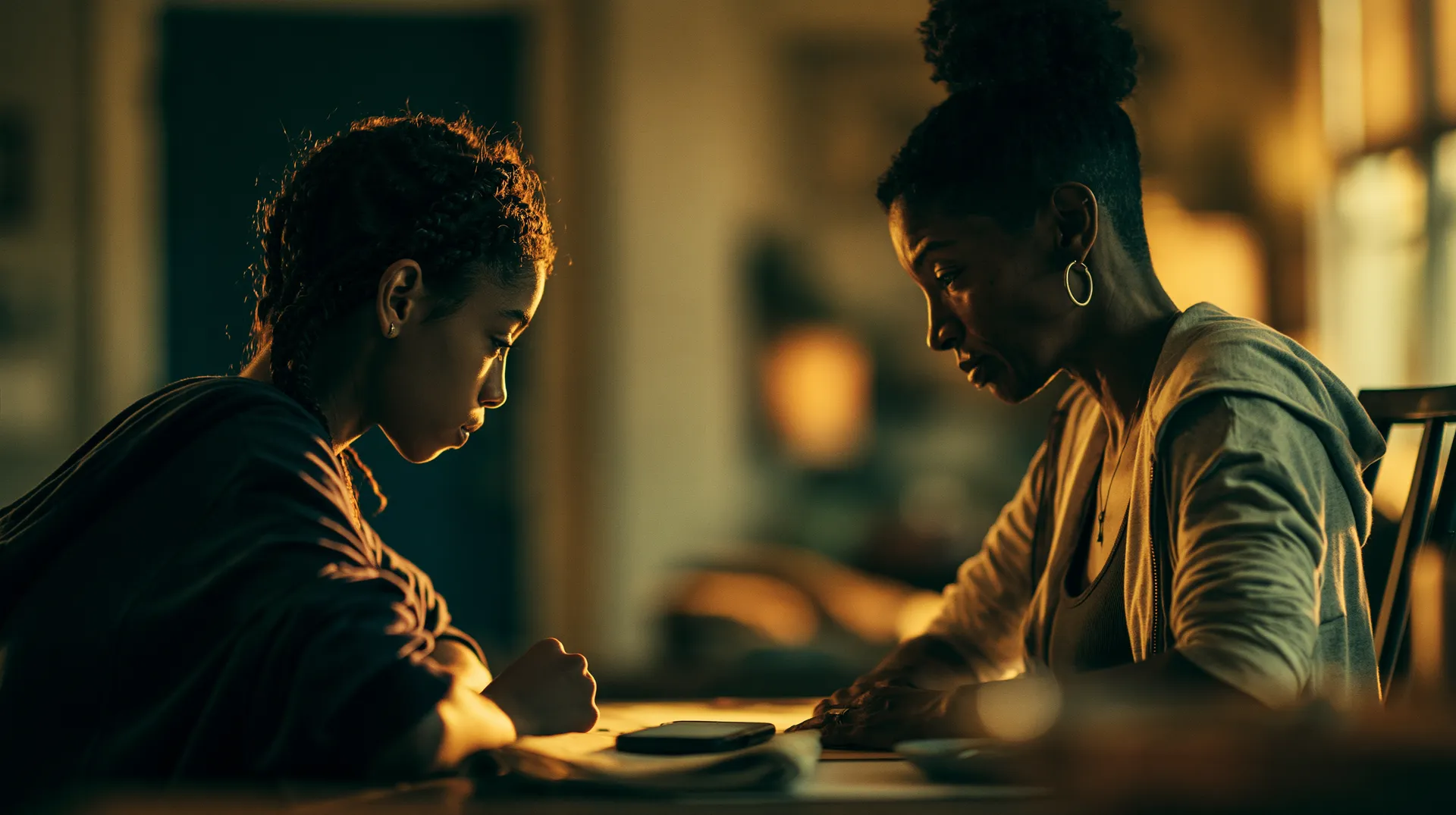
Breathe and come to ask, not to attack: «I found that you have another account and I want to understand why, without shouting; tell me.» Listening to the reason —a space of his own, friends, being fed up with your control— before punishing gives you real information and keeps the door open. Often the why is more innocent than you feared; and even when it isn't, understanding it is what lets you respond well instead of just closing ranks.
Tell the harmless space of his own from genuine risk: does he talk to strangers? does he share information or images that expose him? is there dangerous contact or content? is he hiding a risky behavior? Depending on what you find, the response changes —from a conversation about privacy and trust, to a protection intervention if there's real danger. A meme profile with friends isn't the same as contact with an unknown adult.
Use the episode to renegotiate digital life instead of just punishing: clear agreements about what's okay and what isn't, a reasonable margin of privacy for his age in exchange for transparency on what matters (who he talks to, content, safety), and an honest review of whether your supervision was proportionate. «I need to know you're safe; you need your space: let's find the point.» A renewed pact protects more than a ban.
Talk cool-headed, not in the minute of the discovery with anger firing —that hot conversation almost always closes. Choose a calm moment and alone, without an audience. Align with whoever parents alongside you for a common and proportionate response, avoiding the classic one-soft-one-hard. Review among the adults whether the previous level of control was reasonable. And adjust the privacy margin to his age: what is healthy supervision at eleven is intrusion at seventeen. If a real risk appears (a stranger, dangerous content), there you do act without delay and with the sibling situation that applies.
A secret account is usually handled at home by understanding the why and renegotiating digital agreements. It's worth seeking help —a psychologist, and protection bodies or the school depending on the case— if behind it a real risk appears: contact with an unknown adult or signs of grooming, exchange of intimate images, harassment (suffered or inflicted), dangerous content or risky challenges, or the account hiding a behavior that puts him in danger (substances, risky contacts). Also if the secrecy is part of a bigger change —isolation, sustained sadness, risky behaviors— that asks you to look underneath. Faced with a possible crime against your minor child (grooming, spreading of images), turn to your country's authorities without delay. This is peer commentary, not clinical or legal advice: when in doubt about whether there's risk, assessing it soon and on the side of protecting is the right thing.
Everything in this house is peer commentary and suggestion — it does not replace professional help. It's every mother's and every father's responsibility to notice the situation and to seek it when it can serve. If you need a number, check the directory of helplines by country. The full disclaimer, here.
'Everyone in my class has it.' Your daughter wants to open an account on that network, and the platform's minimum age is…
Your son mentions a «friend» he's never seen in person: someone from a game, a chat, an app. He messages him a lot, defe…
He posts where he studies, his real-time location, the house routine, photos that give away more than he thinks. He does…