This Monday, July 27 · 7 PM — Parents’ meetup in Santo Domingo Free registration →
beta · situation in draft — peer commentary, not professional advice
Situations

A sibling with special needs

delicate situation 3–56–910–1213–15

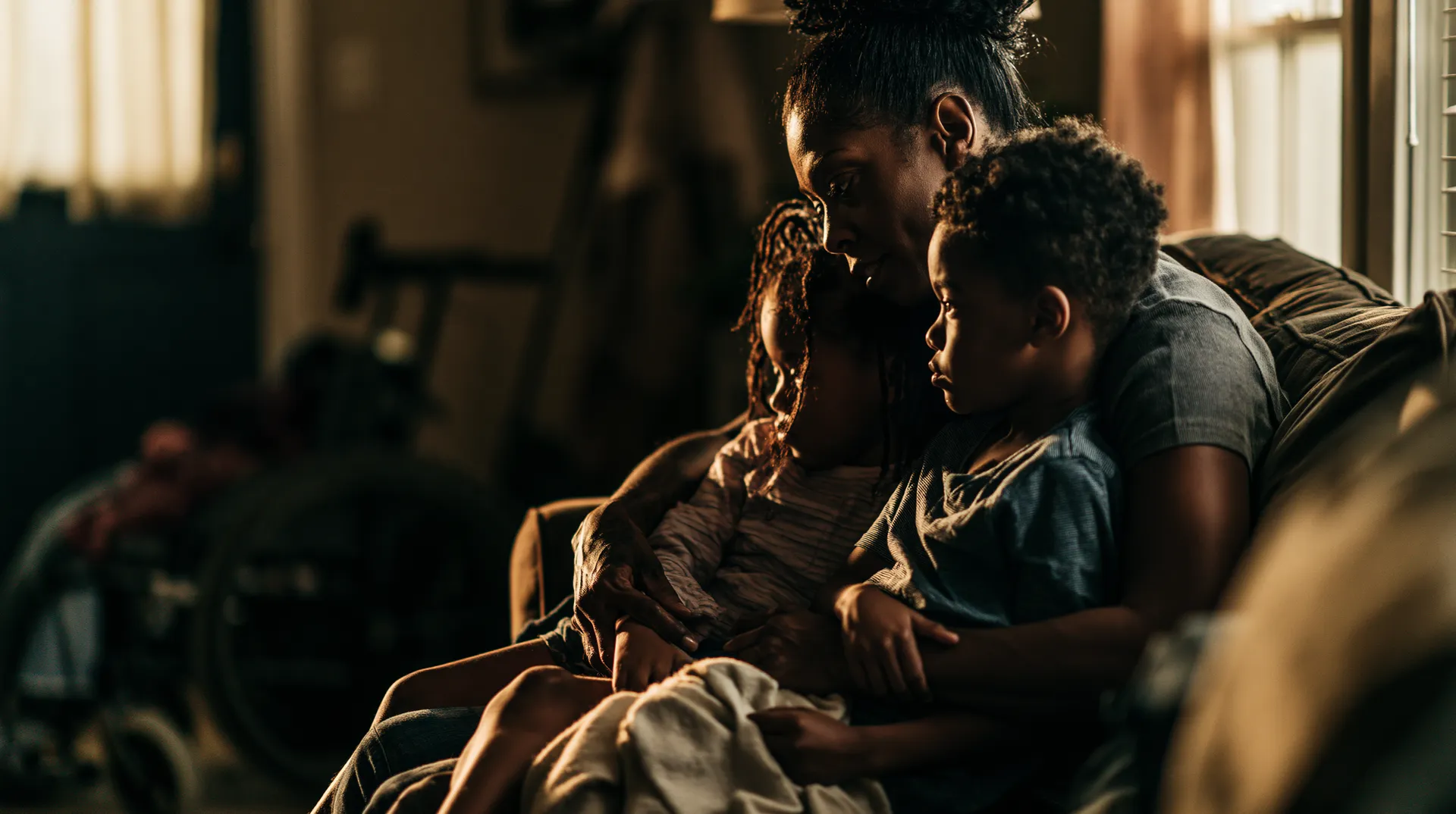
One of your children needs far more —a condition, intense care— and the other feels it: he demands attention, behaves «too well» so as not to cause trouble, or carries something he didn't choose. You love them both and time runs short.

What it stirs up inside you

The guilt of not reaching everything pushes you to lean on the sibling «who can» or to miss his need because «he's not the one who needs it most». Stop. The sibling who supports is also a child, with a right to attention, to not always being the strong one, and to having his own problems taken seriously. His need is real even if it's less visible.

What might be going on

The sibling of a child with special needs carries things that sometimes go unseen: less attention (because the care concentrates on the other), an early maturity demanded of him, guilt over his own jealousy or anger («I shouldn't complain, my sibling has it worse»), sometimes caregiving responsibility that wasn't his to bear, and pressure —spoken or not— to be «the one who causes no trouble». All of that can coexist with a genuine love for his sibling. What matters is to treat him as a person with a right to the front page, not just as support: name him first (the person, not the caregiver role), acknowledge that his mixed feelings are valid, protect his own attention and life, and don't burden him with what belongs to the adults. His wellbeing doesn't compete with his sibling's: both matter equally.

What's better avoided

Don't turn him into a caregiver or demand early maturity because «he's the one who can». Don't assume that «he causes no trouble» means he's fine —the too-good child sometimes swallows his own—. Don't invalidate his jealousy or anger as selfishness («how can you complain, with what your sibling has?»). Don't let all the attention always concentrate on the other. And don't reduce him to «the sibling of»: he is a whole person, first.
Ways in

Several — never just one

No ranking, on purpose: no two children are alike, and yours isn't even the same as yesterday. Read which one fits your home, today — or combine them.

The door of protecting his own attention and life

Set aside time and focus just for him, and room for his interests, friends and achievements —so his whole life doesn't revolve around his sibling's care—. A regular stretch where he is the front page tells him he matters too. The person first; the sibling role, after.

When it fits: First and foundational. It counterbalances the inevitable concentration of care on the other.

The door of validating the mixed feelings

Give him permission for the emotional tangle: «You can love your sibling and also feel jealous, angry or tired. Both fit.» Naming that his feelings are valid —not selfish— keeps him from carrying guilt for feeling what's human. A child who can say the hard thing doesn't have to swallow it.

When it fits: When guilt, jealousy, or the silence of «I shouldn't complain» shows up.

The door of not loading the adults' burden on him

Take care that the sibling's care doesn't fall on him as a responsibility: helping sometimes is fine; being a caregiver isn't his to do. Early maturity has a cost. Let him know his job is to be a child, not to hold the family up. The adults carry the adults' load.

When it fits: When you notice he takes on caregiving responsibility beyond his age.

The timing

Protect those exclusive stretches regularly, not only when things blow up; the preventive weighs more than the reactive. Check in on how he's doing now and then, without waiting for strong signals —the «good» sibling flags it late—. If there's another adult parenting or family network, share the load so the sibling doesn't always end up in the background. And look, where it exists, for networks of siblings in his situation: feeling understood by peers helps a lot.

When to seek professional hands

Supporting the sibling's wellbeing is part of caring for the whole family. It's worth seeking support —a professional, school counseling, sibling groups— when sustained sadness, anxiety, or guilt that won't ease appears, or a «perfect child» pattern that swallows everything; when he carries caregiving responsibility that weighs on him; when his performance, sleep or relationships suffer; or when the family needs help balancing attention among the children. Many teams that care for the child with special needs also advise on the siblings: ask for it. This is peer commentary, not clinical advice.

Everything in this house is peer commentary and suggestion — it does not replace professional help. It's every mother's and every father's responsibility to notice the situation and to seek it when it can serve. If you need a number, check the directory of helplines by country. The full disclaimer, here.

From the library

Want more perspectives on this situation? Ask the panel — six at once — or talk with a voice from the table.