This Monday, July 27 · 7 PM — Parents’ meetup in Santo Domingo Free registration →
beta · situation in draft — peer commentary, not professional advice
Situations

He spends recess alone

delicate situation 3–56–910–12

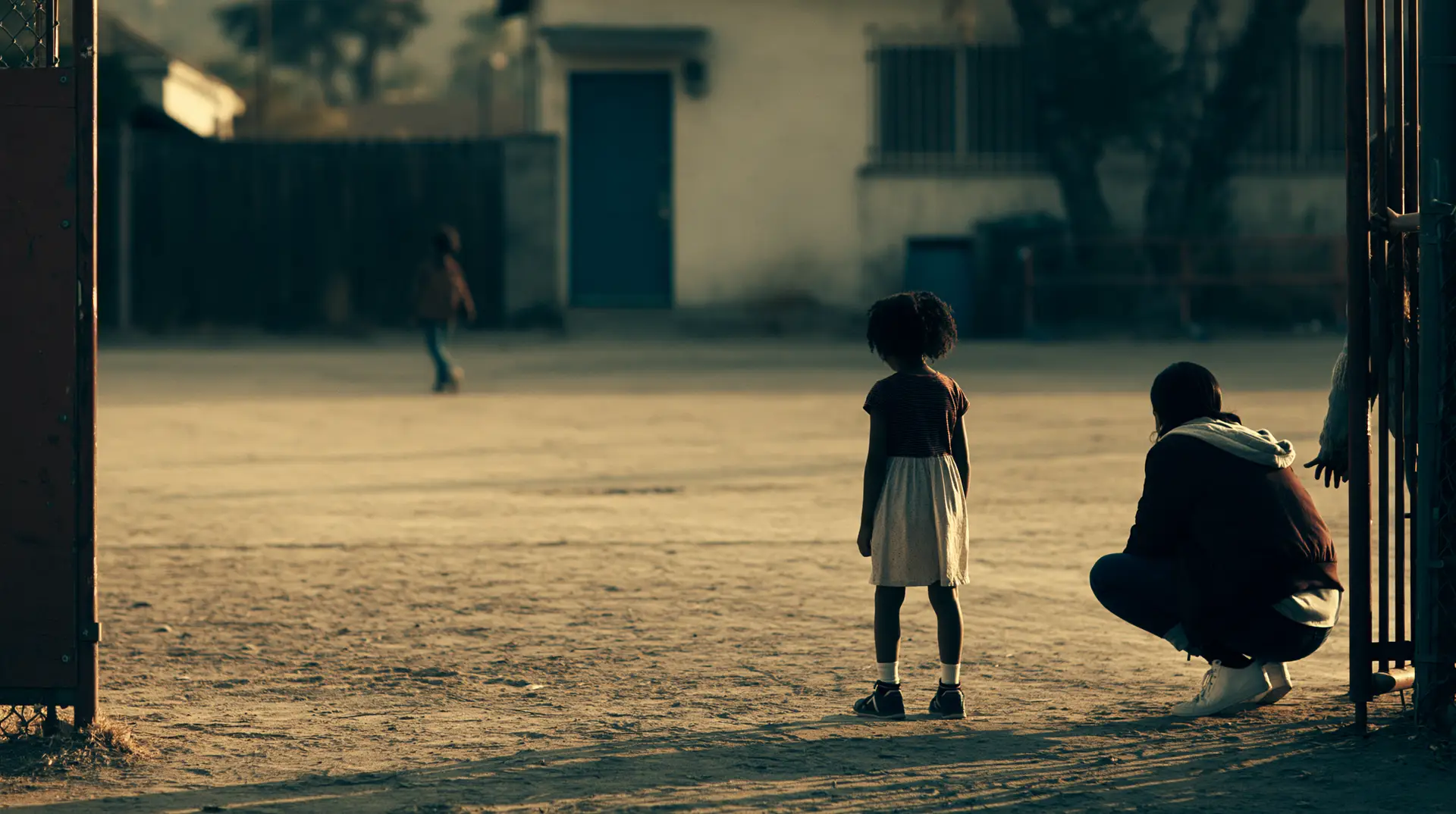
You find out —from him, from the teacher, from a photo— that at recess he's on his own: he wanders, sits apart, no one seeks him out. Something shrinks inside you; recess, which should be the easy part, is his hardest moment.

What it stirs up inside you

The pain of seeing him alone pushes you to fix it now: call other mothers, demand things of the school, push him to approach. Slow down first. Your anguish isn't necessarily his: some children are fine with little company and others really suffer. First find out which is the case, without projecting onto him your own fear of being left out.

What might be going on

Tell three things apart: being alone by choice (he enjoys his time, it doesn't weigh on him), being alone out of shyness or not knowing how to join a group (he wants to and can't), and being alone through active rejection (they leave him out). Each calls for something different. The first isn't a problem even if it hurts you to watch. The second is worked on with concrete skills —how to approach, what to say— and with opportunities. The third, if there's systematic exclusion or mockery, involves the school. The key question is his, not yours: 'would you like to play with someone and don't know how, or are you fine like this?' —his answer changes everything.

What's better avoided

Don't project your own social pain: maybe he's calmer than you think. Don't label him 'a loner' or 'weird' in front of him —labels stick—. Don't push him by force ('go and play with them') because the order doesn't give him the skill he's missing. Don't solve it for him by calling to organize his friendships without his knowing. And don't compare him with a more sociable sibling or classmate.
Ways in

Several — never just one

No ranking, on purpose: no two children are alike, and yours isn't even the same as yesterday. Read which one fits your home, today — or combine them.

The door of asking before fixing

With curiosity and no alarm: 'I saw that sometimes you're on your own at recess. What's that like for you?' Listen without correcting. His answer tells you whether he suffers or enjoys it, whether he wants to and doesn't know how, or whether they're leaving him out. Without that fact, any help is blind and can make it worse.

When it fits: Always first. It tells the real problem apart from your fear before you move anything.

The door of skills and opportunities

If he wants to and doesn't know how to join, teach him concrete pieces —how to approach a game already underway, a question to break the ice, offering something— and create occasions outside recess: an invitation home, an activity where he shines. Friendship is practiced in small, safe doses, not in the chaos of the playground.

When it fits: When the issue is shyness or lack of resources, not rejection. Here you build capacity and occasions.

The door of the school, if it's exclusion

If they leave him out systematically, or there's mockery, it's not just a matter of skills: talk with the teacher about what happens in the playground. The adult who supervises can open up games, watch the dynamics and stop the exclusion. There the problem is the group's, not his.

When it fits: When there's active rejection or mockery. The school is part of the solution, not just your home.

The timing

The conversation calls for a calm moment and privacy, never right at the school gate or in front of siblings. If you decide to talk with the teacher, do it without him feeling you're orchestrating his life behind his back —depending on his age, tell him you're going to ask for help—. And be patient: making friends takes time, and an anxious push every day weighs more than help. If there's another adult parenting, share what each of you observes.

When to seek professional hands

Spending time alone isn't, in itself, a problem. It's worth looking more closely —and talking with the school or a professional— when the solitude is sustained rejection or mockery from the group; when the child wants friends, tries and fails over and over despite support; when the solitude comes with sustained sadness, not wanting to go to school, aches with no medical cause or a drop in mood; or when you notice a marked difficulty reading social cues that doesn't ease with practice. In this last case, school counseling can assess whether there's something to work on underneath. This is peer commentary, not clinical advice: consulting early isn't overreacting.

Everything in this house is peer commentary and suggestion — it does not replace professional help. It's every mother's and every father's responsibility to notice the situation and to seek it when it can serve. If you need a number, check the directory of helplines by country. The full disclaimer, here.

From the library

Want more perspectives on this situation? Ask the panel — six at once — or talk with a voice from the table.