At parties he stays glued to you; at the park he watches the others play from afar; to say hello he needs a push. He isn't unhappy, but approaching other children costs him a world, and you worry he'll be left out.
Anxiety pushes you to push him —'go on, say hi, don't be shy'— and that usually tightens the knot. Stop. Shyness isn't a flaw to correct: it's a temperament, a way of being in the world, and many cautious children open up at their own pace. Your job isn't to manufacture another personality for him, it's to give him scaffolding for what's hard.
There's an important difference between being shy or introverted —a valid temperament, not a problem— and suffering from a social anxiety that paralyzes him and makes him suffer. The first needs respect, time, and opportunities suited to him; the second, if it's intense and keeps him from functioning, may need more support. Labeling him 'shy' in front of others, or pressuring him to act 'loose', usually reinforces exactly what you want to ease. Cautious children observe before entering: they need to warm up, to anticipate, to start in small groups. The goal isn't to turn him extroverted —that's not better— but for him to have tools to connect when he wants to, without shyness closing doors he does want to cross.
Don't label him 'shy' in front of people ('he's just so bashful'): you pin him to the role. Don't push him to greet or perform by force: pressure raises anxiety. Don't always speak for him or rescue him from all contact —nor leave him alone with what overwhelms him—. Don't compare him with a bolder sibling. And don't treat his temperament as something broken to fix: caution isn't a flaw.
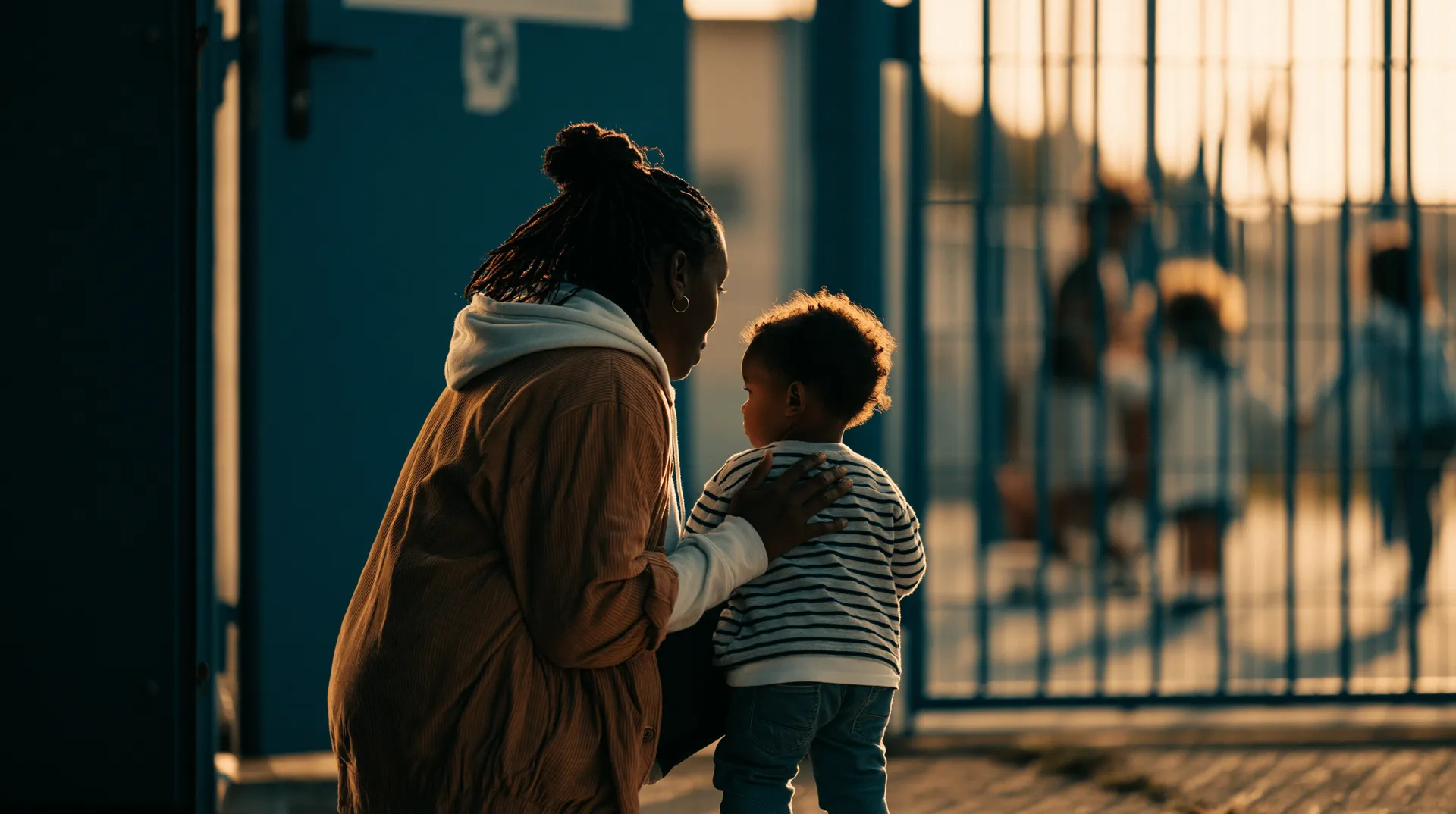
No ranking, on purpose: no two children are alike, and yours isn't even the same as yesterday. Read which one fits your home, today — or combine them.
Give him time to warm up and tell him in advance what's coming: 'We're going to a party; first we watch, and when you want to, you go over.' Start with small groups and familiar settings. Respecting his pace without leaving him alone with the hard part teaches him he can approach in his own way, not by being shoved.
Social skill is trained in the small: a one-child invitation home, a structured activity where the game gives the script, rehearsing at home how to ask to play. Small, repeated successes build confidence better than one big push into the whole group.
Reflect back to him the good in his way of being —observant, loyal, a good listener, careful— so he doesn't read his temperament as a failing. A child who knows his way is also worth something approaches others from a different footing. Caution stops being shame and becomes just one more trait.
None of this is rushed: social confidence grows slowly and at his own pace, not on your anxiety's timeline. Prepare social situations beforehand (anticipate, choose small settings) more than correcting during. If another adult is parenting, agree not to label him shy and to give both the same respect for his pace. And celebrate small steps without a fuss that overwhelms him.
Shyness is a valid temperament and doesn't need 'fixing'. It's worth consulting —school counseling or a professional— when social anxiety is so intense that it keeps him from functioning: he can't speak at school (mutism), he avoids contact to the point of truly suffering, he has physical symptoms (crying, stomachaches, panic) before social situations, or the isolation goes with a sustained sadness that doesn't ease despite support. Telling healthy shyness apart from an anxiety that paralyzes is what guides whether to seek help. This is peer commentary, not clinical advice: consulting early when the child is suffering isn't overreacting.
Everything in this house is peer commentary and suggestion — it does not replace professional help. It's every mother's and every father's responsibility to notice the situation and to seek it when it can serve. If you need a number, check the directory of helplines by country. The full disclaimer, here.
You find out —from him, from the teacher, from a photo— that at recess he's on his own: he wanders, sits apart, no one s…
Another Friday at home. Your daughter has no plans, no one calls her, she doesn't seem to look for any. You remember you…
They talk to someone who isn't there, save a place at the table, tell you what their friend «said». Between the tenderne…