They ask to go to a party where, you suspect, no adults will be supervising. 'Everyone's going,' 'don't treat me like a baby.' You waver between giving them a bit of world and the fear of all that could happen that night.
The request puts you on a tightrope between two fears: smothering them with a flat no that pushes them away and drives them to go behind your back, or letting them loose with no net so as not to be the 'old-fashioned' parent. Breathe. Neither total control nor blind permissiveness keeps them safe. That they want to go is healthy —they're growing up—, and your task isn't just to decide yes or no, but to use this step to negotiate autonomy with conditions, teach them to look after themselves, and make clear they can call you no matter what, with no punishment.
Separate the milestone from the panic. Wanting to go to parties and build a social life of their own is an expected, healthy part of adolescence — the goal of these years is precisely that they learn to move through the world without you. Banning everything doesn't remove the risk: it pushes them into secrecy, where you don't know where they are and they can't ask you for help. But letting go with no condition doesn't protect them either. The middle ground is negotiated autonomy: giving freedom gradually, tied to information (where, with whom, until when, who's bringing them home) and to clear agreements about alcohol, substances, and what to do if something turns ugly. The real risks of an unsupervised party —alcohol, peer pressure, getting into a car with someone who's been drinking, being left with no way home, sexual situations they're not ready for— are prevented far better with a teen who talks to you and knows they can call, than with one you forbade and who goes anyway without telling you. The trust you build now is what protects them when you're not there.
Don't answer with a flat no and no dialogue out of fear: it pushes them to go in secret, right where you can't protect them. But don't give in either, with no condition or information, just to avoid arguing. Don't interrogate them like a suspect or humiliate them ('you're too young, you're just a kid'): they shut down. Don't launch into a catastrophic speech about everything that could go wrong without giving them concrete tools. Don't turn permission into a reward for good behavior disconnected from the real issue. And —crucially— don't threaten to punish them if they call you for help at dawn: that threat is exactly what makes them not call on the night they truly need you.
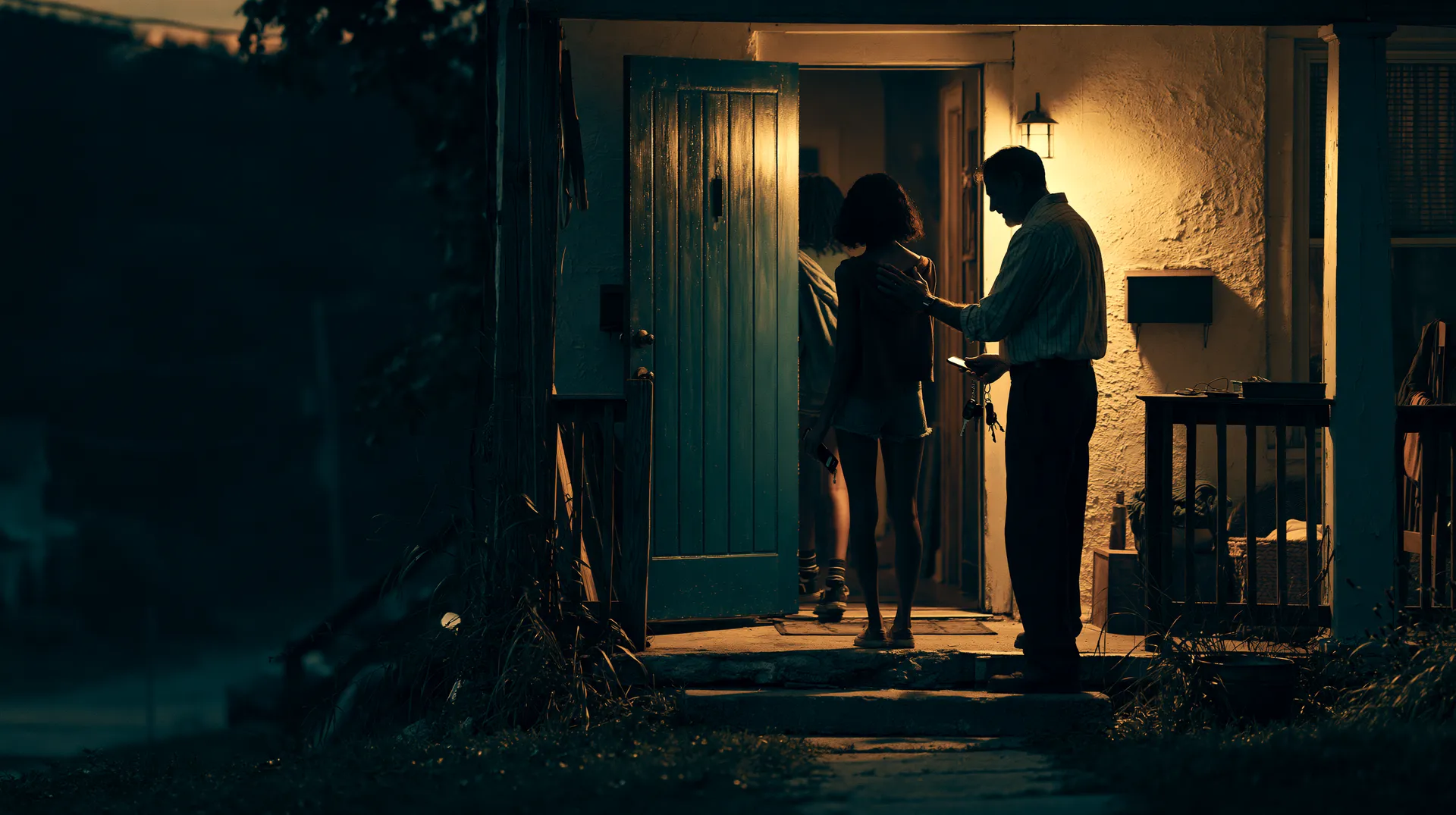
No ranking, on purpose: no two children are alike, and yours isn't even the same as yesterday. Read which one fits your home, today — or combine them.
Turn the yes-or-no into an agreement: they can go if there's clarity — where it is, with whom, until what time, how they get home, an adult who can be reached. 'I trust you, and that's why we agree on these things; it's not distrust, it's how anyone looks after themselves.' Giving freedom tied to information and agreements teaches them that autonomy comes with responsibility, and leaves you a map of the night without smothering them.
Before the party, talk clearly and without drama about the real stuff: alcohol and substances, never getting into the car of someone who's been drinking, watching their drink, respecting and being respected sexually, leaving anywhere they don't feel right. Rehearse exits: 'if they pressure you, you can use me as an excuse.' Giving them a script and permission to leave protects them more than forbidding them to go; they head into the world with tools, not just fears.
Give them the net that truly saves: 'call me at any hour, no matter what, and I'll come get you with no reproach; we can talk another day if we need to.' The rescue pact —they'll be picked up with no punishment if they drink too much, if someone gets sick, if things spin out of control— is what makes them call you on the critical night instead of getting into a dangerous car for fear of your reaction.
Talk when things are calm, with time before the party, not at the door with the car waiting or in the middle of a fight. Align fully with whoever parents with you and, if there are two houses, between both: a teen who senses different stances exploits the gap. It's fine to call the host family to find out whether there will be adults, without humiliating them for it. Adjust the level of freedom to their age and to what they've shown, and give it gradually. And save the deeper conversation (values, risks) for the many calm moments, not for the tense moment of the permission.
Negotiating the first nights out is a normal part of raising teens and is handled at home with dialogue and agreements. It's worth seeking guidance if worrying signs appear around the parties: coming home intoxicated repeatedly (see the sister situation), substance use, systematic lies about where they are, falling in with a group that draws them into serious risks, or behaviors suggesting the party is an escape from some distress. And any grave-risk situation arising from a night out —a serious intoxication, an accident, an assault or sexual abuse, or their mentioning self-harm— is an alarm that calls for immediate help: there you turn to health or emergency services without delay. This is peer commentary, not clinical or legal advice: when in doubt, talking about it early and from the side of caring is what protects.
Everything in this house is peer commentary and suggestion — it does not replace professional help. It's every mother's and every father's responsibility to notice the situation and to seek it when it can serve. If you need a number, check the directory of helplines by country. The full disclaimer, here.
It's later than agreed and you hear him come in different: the laugh too loud or the silence too careful, the glassy eye…
She said she was at a friend's house studying, and it wasn't true. You find out through a message, another mother, a det…
Your daughter did something you don't recognize in her: she mocked a classmate, broke a rule, went along with something …