This Monday, July 27 · 7 PM — Parents’ meetup in Santo Domingo Free registration →
beta · situation in draft — peer commentary, not professional advice
Situations

He took something that wasn't his

delicate situation 3–56–910–1213–15

A toy you didn't buy turns up in his backpack, or money is missing from the kitchen drawer. Your son didn't pay for it and didn't ask: he took it. And now you hold the proof, and in your chest an ugly question about who your son is.

What it stirs up inside you

The thought that assaults you is one of the heaviest of the job: 'am I raising a thief?' — and from there to fear for his future is a single step. That leap is the enemy this afternoon. Name the fright inside: almost no child who takes something is a delinquent in the making; it's someone who tried out an impulse, or badly solved a lack, or copied something they saw. Your job isn't to sentence the character: it's to correct the conduct without fusing the two.

What might be going on

Read the age, which here changes everything. At 3-5 'mine' and 'yours' are still being built; taking something isn't stealing, it's not yet having the boundary. At 6-9 he already knows it's wrong, and the impulse, the temptation of the object, or the 'everyone does it' usually weigh. At 10-15 it's worth looking at the what-for: desire for an object impossible to ask for? group pressure? buying friendship or status? something he doesn't dare ask you? The what he took and from where also inform: a candy from the supermarket isn't the same as money from home repeatedly — the latter looks deeper.

What's better avoided

Don't brand him with the label: 'thief' said once stays for years, and the child who believes he's a thief stops having honor to protect. Don't stage the public making-an-example — dragging him humiliated to return it in front of everyone teaches shame, not honesty; it's repaired with dignity or it isn't learned. Don't let it slide 'because he's little' or 'to avoid making a drama': without restitution there's no lesson, only silent permission. And don't set the trap of denying what you already know; name the fact, don't push him to lie so as to punish the lie afterward.

Ways in

Several — never just one

No ranking, on purpose: no two children are alike, and yours isn't even the same as yesterday. Read which one fits your home, today — or combine them.

The door of restitution with dignity

What was taken is returned or paid for — that's the heart. But the how teaches as much as the what: you accompany it, you rehearse the sentence, you do it in the least humiliating way possible. Going back to the store to return or pay for it, replacing the drawer money with work or savings. The reparation is uncomfortable on purpose; the humiliation is unnecessary. The child comes out learning that acts are made right, not that he's rotten.

When it fits: Almost always the central door, from 5 on. The discomfort of repairing is the lesson; keep it, take away the shame.

The door of the what-for

In the cool, with genuine curiosity: not 'how could you' but 'what did you want'. Sometimes behind it there's something askable he didn't dare ask; sometimes, group pressure; sometimes, an emptiness the object covered. Understanding it doesn't excuse him, but it decides your next step: a one-off craving isn't the same as starting to buy belonging. If pressure from others or a pattern appears, you change register.

When it fits: Especially from 9 to 15, when the object is usually the tip of something social or emotional rather than the end in itself.

The door of the clear, calm limit

Without a long sermon, the rule said once and firmly: 'In this house what isn't yours isn't taken; what you want, you ask for or earn.' Firmness isn't shouting. And it comes with the way left open: if there's something he wants, there's an honest path to get it — asking for it, saving for it, earning it (the real-budget activity gives the scaffolding). The limit holds better when it offers a way out.

When it fits: Every age, as a frame. Essential when the motive was pure, direct temptation, with no bigger backdrop.

The door of trust that's rebuilt

After repairing, it's rebuilt — not withdrawn forever. You tell him clearly: 'This cost trust; it's recovered over time and we've already started.' A period of more closeness and fewer solitary chances, with a review date and not a life sentence. Watching eternally confirms the label you want to erase; giving trust back in installments gives him something to take care of.

When it fits: When there was money from home or repetition. It gives structure without condemning; trust returns as a goal, not an impossible reward.
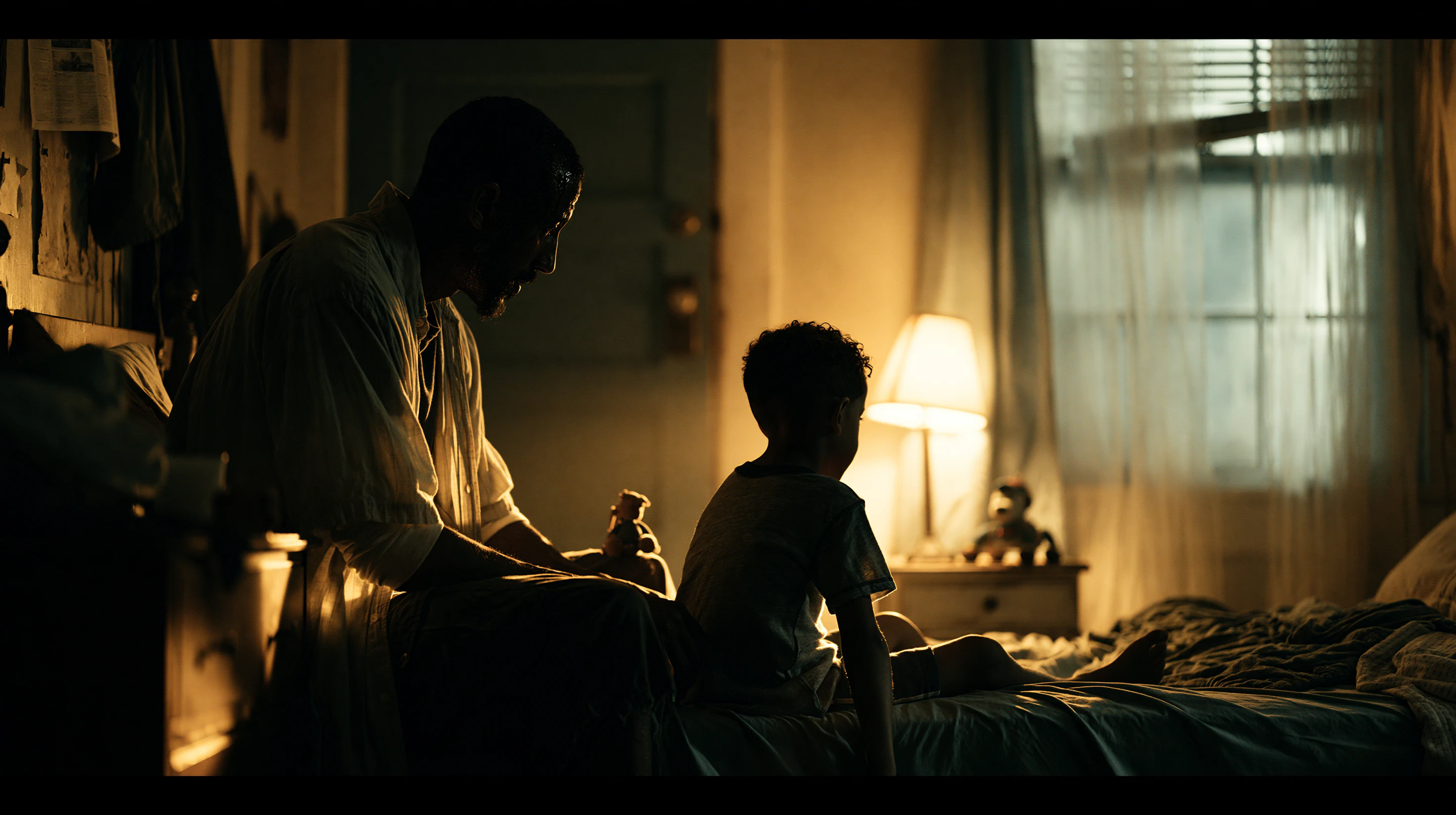
The timing

Restitution doesn't wait long — the sooner it's returned, the cleaner the lesson stays and the less the guilt festers. But the deeper conversation waits for both tides to fall: none of this is resolved in the supermarket aisle with an audience. Choose the window with the forecast in hand. And if there's another adult parenting, the other home learns of an episode like this calmly — never as a weapon in an argument, but as part of parenting as a team. Once the case is closed, it closes: it doesn't reopen at every friction.

When to seek professional hands

An isolated episode doesn't ask for professionals; it's corrected at home with restitution and a limit. Consider expert hands when a pattern appears: repeated thefts despite the consequences, stealing money from home in a sustained way, taking things he neither needs nor uses, or doing it alongside other changes — low mood, a new group, a growing lie, money that funds something hidden — because there the object may be covering something bigger (an emotional need, pressure, or a substance that has to be paid for). If the theft happens outside the home with possible legal consequences, calmly inform yourself of how it's handled in your country and prioritize accompanying him, not abandoning him to the fright. This is peer commentary, not clinical assessment: reading when a theft is a stumble and when it's a signal is our responsibility as parents, and consulting early with the school or a professional in child behavior isn't overreacting.

Everything in this house is peer commentary and suggestion — it does not replace professional help. It's every mother's and every father's responsibility to notice the situation and to seek it when it can serve. If you need a number, check the directory of helplines by country. The full disclaimer, here.

From the library

Want more perspectives on this situation? Ask the panel — six at once — or talk with a voice from the table.