This Monday, July 27 · 7 PM — Parents’ meetup in Santo Domingo Free registration →
beta · situation in draft — peer commentary, not professional advice
Situations

She is being bullied

serious situation 6–910–1213–1516–18

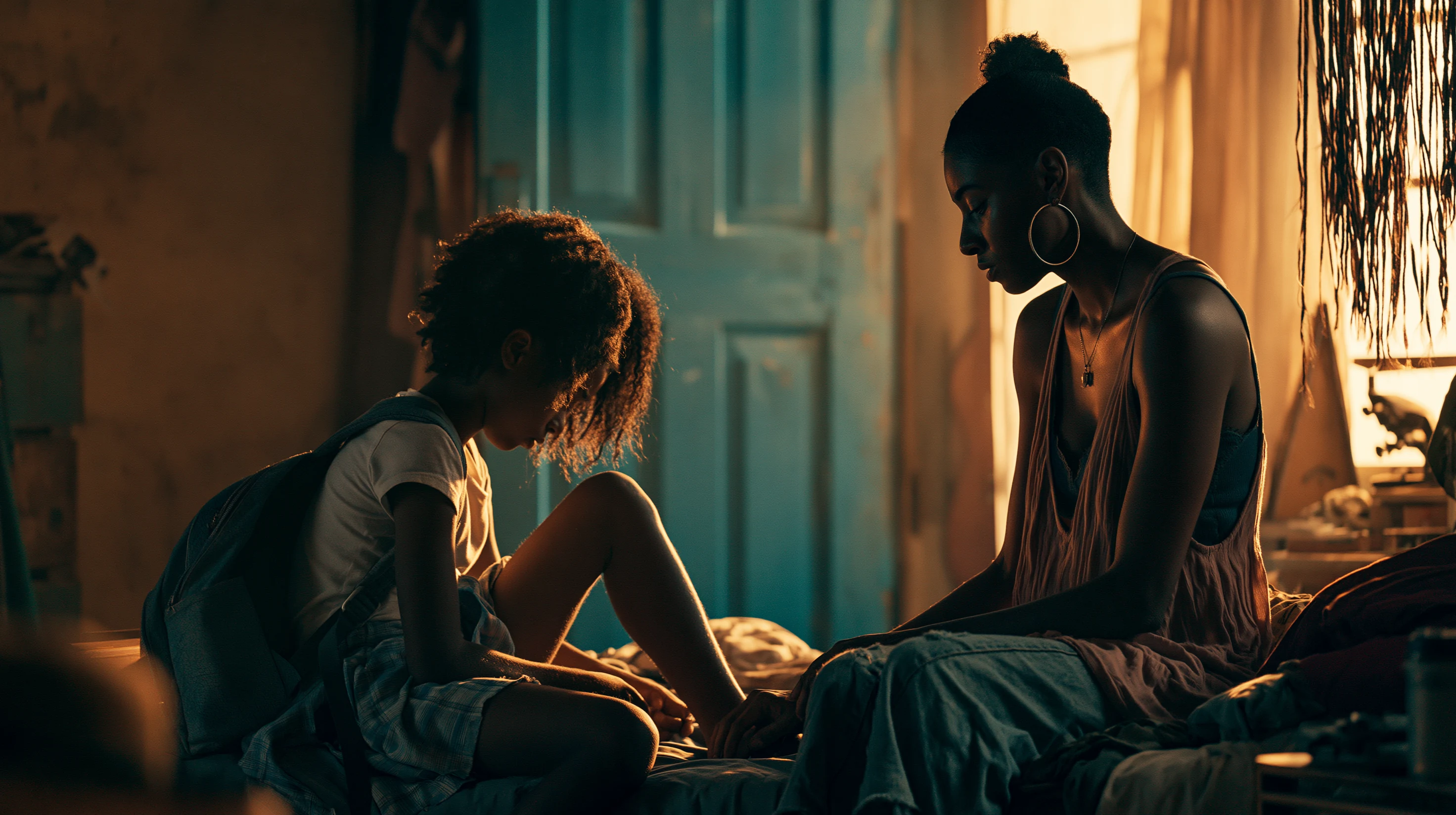
It wasn't a one-time fight. It's sustained: they pick on her daily, exclude her on purpose, write her things, hide her things, and she's begun to dim — she doesn't want to go, sleeps badly, «it's nothing». Your daughter is being bullied.

What it stirs up inside you

Discovering your daughter is hurt like this wakes something primal: lioness rage, the urge to go fix it today with whoever it takes, and underneath a pain and a guilt for not having seen it sooner. The impulse to solve it yourself in one blow is fierce. Name it inside and hold it: your rage is love, but badly handled it can make things worse for her — expose her more, take away her control, make her feel she now also has to take care of you. What she needs first isn't your operation: it's your solid calm and the certainty that she's not alone.

What might be going on

Bullying is not a conflict between peers nor «kids' stuff» — it's a sustained, repeated aggression where there's a power imbalance, and it's told apart from a one-off fight precisely by that: it repeats, it's targeted, and the victim can't stop it alone. It can be physical, verbal, social (excluding, isolating, turning others against her) or digital (the hardest to escape, because it follows her to bed). The most important thing to understand: most bullied kids don't tell — out of shame, fear of reprisals, believing it's their fault, or fear the adult will «make it worse». That's why you have to know how to read the signs, not wait for the account. The forecast and the day-to-day are your radar: mood changes, not wanting to go to school, physical aches with no cause, «lost» or broken belongings, missing money, going quiet about certain classmates, withdrawing from what she enjoyed. None of this is your daughter's fault — bullying is chosen by whoever bullies, and no trait of hers justifies it. Age nuances the form (more physical when young, more social and digital from tweens on), but the harm is real at any age, and silence feeds it.

What's better avoided

Don't minimize it or put the load on her («it's kids' stuff», «ignore them», «you have to learn to defend yourself alone») — that leaves her alone with something she can't solve alone, and teaches her that telling you is useless. Don't blame her for what's done to her or look for her «part» («and what do you do to make them bother you?»): bullying isn't provoked, it's chosen. Don't send her to «hit back» as a strategy — it can expose her to more harm and leave her looking like the guilty one. Don't confront the other child or their family yourself, on your own and hot: it usually escalates and complicates protecting your daughter. Don't promise to keep the secret if she asks you to do nothing — safety comes before the promise — but don't act over her head without explaining each step either: taking away all her control repeats, in another key, the powerlessness of the bullying. And don't let the fear of «making it worse» paralyze you: unattended bullying doesn't heal on its own, it digs in.
Ways in

Several — never just one

No ranking, on purpose: no two children are alike, and yours isn't even the same as yesterday. Read which one fits your home, today — or combine them.

The door of believing her and being her safe place

First, before any plan: that she knows you believe her, that it's not her fault, and that you'll be with her without leaving her alone. «Thank you for telling me. This isn't okay and it's not your fault. We're going to solve it together, and nothing we decide do I do without you.» That telling cost so much means your reaction in this first moment sets whether she keeps telling you or closes up. Listen all the way through before moving anything.

When it fits: Always first, without exception. The base everything else rests on; if this fails, she goes silent.

The door of the school, in writing

School bullying is handled with the institution, and in a way that leaves a record: request a meeting with the principal and counseling, document in writing (email) what's happening, since when, with whom, with dates, and ask for the coexistence protocol and a concrete plan with follow-up. In writing isn't hostility — it's what obliges the school to respond and leaves a record if you have to escalate. You go as an ally demanding protection, not as an enemy, but firm: your daughter's safety isn't negotiable.

When it fits: When the bullying happens at or around school. Central in almost every case; the written record is what gives it weight.

The door of giving her back power and tools

Bullying robs your daughter of the feeling of control; part of the work is giving it back, with her and at her pace: deciding together what steps to take, rehearsing responses and whom to turn to in the moment, tending her life outside that circle (healthy friendships, activities where she shines, her own world), and holding up her self-esteem by reminding her who she is beyond what some people do to her. Let her regain agency without loading her with the responsibility of solving it alone.

When it fits: Alongside the adults' action, never in its place. Essential so the bullying doesn't leave her the mark of powerlessness.

The door of digital bullying

If it is or includes cyberbullying, there are specific steps: save evidence (dated screenshots) before anything, block and report on the platforms, don't respond to the aggressor, and — without punishing her by taking away her phone as if it were her fault — look together at how to give her a break without isolating her from her world. Digital bullying doesn't rest and follows her home, so documenting and cutting it off is urgent, and it often crosses with the school and, if there are threats, with higher authorities.

When it fits: Whenever there's a digital component. Essential to save evidence before blocking; key not to punish the victim by taking away her access.

The timing

Emotional containment — believing her, accompanying her — is immediate and doesn't wait for any plan. Action with the school starts soon, as soon as you have the facts clear: unattended bullying tends to escalate, so delaying here has a cost. But each step is taken with her, explaining the why and at her pace, not over her head. Saving evidence (especially digital) is urgent and comes before blocking. And mind your own window: if you go to the school with rage in charge, you negotiate the protection your daughter needs worse — cold firmness gets more than the blowup.

When to seek professional hands

This is a red-flag situation: bullying does real and sustained harm, and here accompanying well includes knowing when to ask for help without hesitating. Seek professional support if your daughter shows signs the bullying is hurting her inside — sustained sadness or anxiety, stopping eating or sleeping, withdrawing from everything, a sharp drop at school, making herself small, or any sign her self-esteem is sinking. And there are signs that are an emergency NOW, not tomorrow's conversation: any mention or hint of not wanting to live, of self-harm, of «it would be better not to be here», physical marks she doesn't explain, or an isolation and hopelessness that scare you — there you seek immediate help (a mental-health professional, emergency services or your country's crisis lines if there's risk to life; doubt is resolved on the side of protecting). Involve the school always; add a child mental-health professional to repair the emotional harm; and if there's physical aggression, threats or serious digital bullying, weigh legal or protective avenues. What we offer here is peer commentary, not professional or clinical advice: reading these signs in time and acting is our responsibility as parents, and in bullying asking for help early is never overreacting — it's exactly what protects your daughter.

Everything in this house is peer commentary and suggestion — it does not replace professional help. It's every mother's and every father's responsibility to notice the situation and to seek it when it can serve. If you need a number, check the directory of helplines by country. The full disclaimer, here.

From the library

Want more perspectives on this situation? Ask the panel — six at once — or talk with a voice from the table.