This Monday, July 27 · 7 PM — Parents’ meetup in Santo Domingo Free registration →
beta · situation in draft — peer commentary, not professional advice
Situations

He is the bully

serious situation 6–910–1213–1516–18

The school confirms it, or you see it yourself: your son isn't the one who suffers the bullying — he's the one who does it. He bothers, excludes, humiliates. He does to another what you never wanted, and you don't know where to start.

What it stirs up inside you

This is one of the hardest pieces of news to receive, because it hits your identity as a parent directly: shame, denial («my son wouldn't be capable»), guilt, and sometimes rage at him that covers the fright. The impulse may be to deny it, minimize it, or swing to the other extreme and treat him like a monster. Name what's yours and hold it, because both easy exits fail: denying lets him keep harming; demonizing sinks him and doesn't change him. Your son bullying doesn't make you a bad parent nor him a bad kid — it makes him someone with a serious problem to solve, and you're the one who can help him out of it without abandoning or excusing him.

What might be going on

A kid bullying another is almost never pure malice, even though the harm it causes is real and grave — behind it there's usually something to understand, and understanding it isn't excusing it: it's the only thing that lets you stop it. A kid bullies for reasons worth uncovering: he seeks power or status where he feels insecure, repeats what he lives or witnesses (at home, with siblings, in his group, on screens), discharges his own pain onto another, follows a group out of fear of being left out, hasn't developed empathy or doesn't grasp the harm, or is himself being hurt somewhere else. None of that frees him from responsibility — it locates it, so it can be worked on. You have to hold two things at once that seem opposite: full responsibility for the harm (no buts, no «but the other one too») and genuine curiosity about what's underneath. An honest look inward is part of the work: how are people treated in this house? what does the environment he lives in model? Age nuances — at 6-9 it can be more impulse and empathy still forming; from 10 on status, the group and the digital weigh in — but at any age sustained bullying is a sign that asks for firm action, not a «he'll grow out of it».

What's better avoided

Don't deny it or minimize it («it's kids' stuff», «the other one asked for it», «my son wouldn't do that») — denying it leaves him free to keep harming and teaches him there's no consequence. Don't swing to the other extreme either: don't call him a monster or brand him a bad person, because a kid who believes himself irredeemable has no reason to change. Don't defend him to the school out of pride or fight the sanction to rescue him from the consequence: rescuing him confirms there'll always be someone to save him. Don't humiliate him with the same cruelty you want to root out — hitting him or shaming him in public teaches him, again, that the strong rule. Don't stop at punishment without working on empathy and repair: punishing the behavior without building the «why the other matters» only hides it better. And don't neglect asking yourself whether something in the home's model is feeding this.
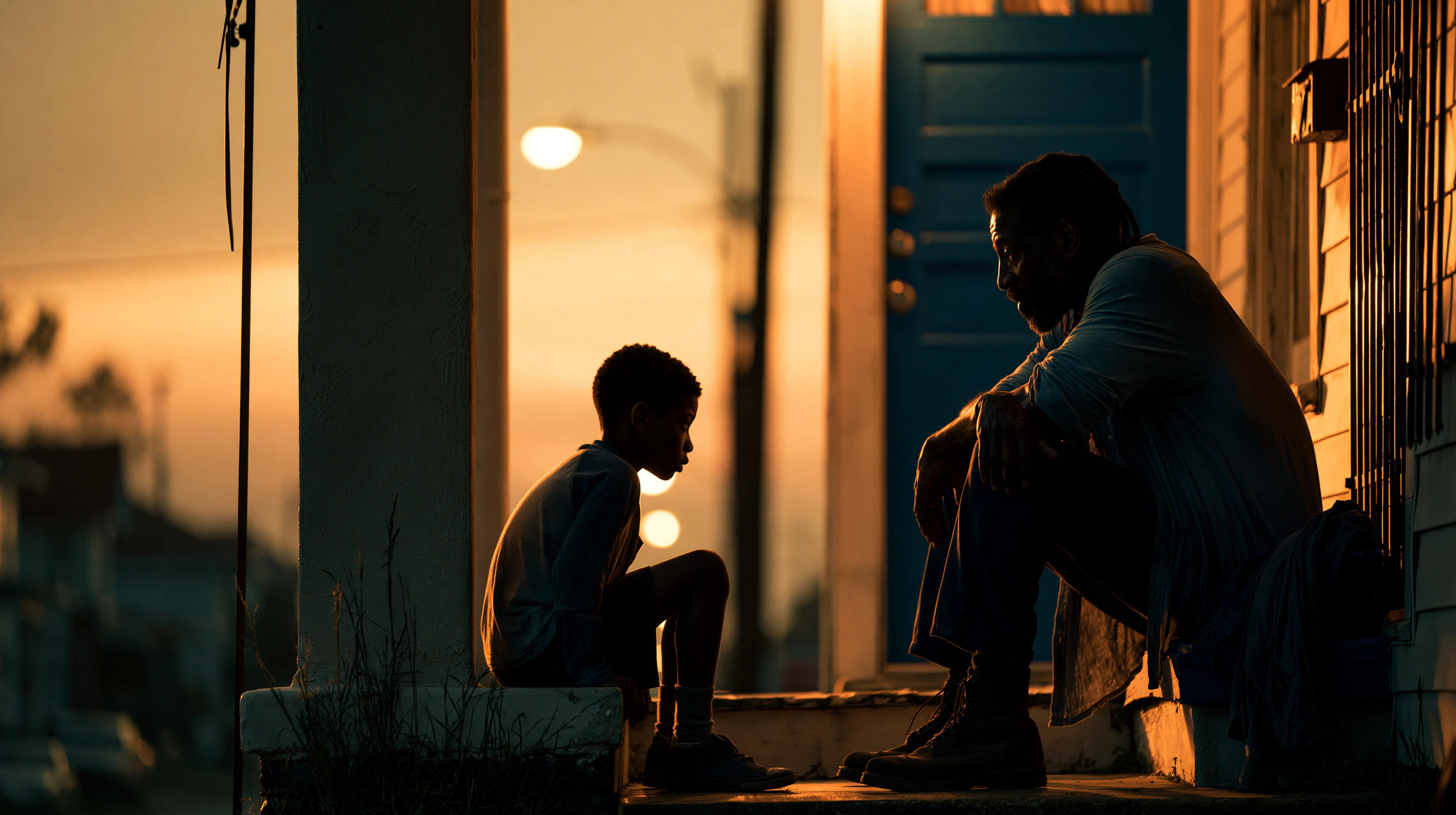
Ways in

Several — never just one

No ranking, on purpose: no two children are alike, and yours isn't even the same as yesterday. Read which one fits your home, today — or combine them.

The door of responsibility without demonizing

The first message holds both halves at once: name the harm with full clarity and no buts — «what you did hurt someone for real, and that we won't allow» — and at the same time make clear to him that he's not a monster and that you'll accompany him in repairing it — «I don't like what you did; you, I still love, and we're going to fix this together». Full responsibility and firm bond: separating the behavior from the person is what gives him a way back.

When it fits: Always first. Without this double hold, the kid either armors up (if you demonize him) or doesn't take responsibility (if you excuse him).

The door of understanding what's underneath

With genuine curiosity and without it serving as an excuse: «I need to understand what's going on with you for you to treat someone like that». Listening without sentence usually uncovers the deeper thing — insecurity, something he's suffering himself, group pressure, something he learned to do or to see. Time alone and in trust (the two of you for coffee) opens that channel. Understanding the root doesn't pardon the act; it's the only thing that keeps it from repeating.

When it fits: Alongside responsibility, not in its place. Essential: without uncovering the cause, the behavior comes back through another door.

The door of real repair and empathy

Bullying is repaired by facing the harm caused head-on: helping him put himself in the other's place (how must they have felt?), taking on consequences, and truly repairing where possible (the real apology gives the mold — an apology that isn't an empty formula but a recognition of the harm). Working on empathy and naming emotions (naming what I feel) builds what was missing. Repair teaches what punishment alone doesn't: that the other matters.

When it fits: After responsibility and understanding the cause. The heart of change: without empathy and repair, he only learns not to get caught.

The door of the alliance with the school

Here you're not going to defend him from the process but to collaborate with it: sit with the school on the same side, respect the institutional consequence without rescuing him, and build together a follow-up and behavior-change plan. A common home-school front, with supervision and clear goals, is what sustains change over time — and shows your son that the adults who love him don't cover up what he did, but don't abandon him either.

When it fits: Almost always necessary: bullying happens in the school setting and change is sustained with the school involved, not at odds with it.

The timing

The response to the bullying your son does can't wait — the harm to the other person is present, so stopping the behavior and respecting the school consequences is urgent. But the deeper conversation (the cause, empathy, repair) is had cool-headed, not in the blowup of the shame of the day you find out: a humiliated parent dictates punishments, not change processes. Repairing and rebuilding empathy is work of weeks and months, with sustained follow-up, not one punishment and done. And give yourself your own window to process the blow before talking: your son needs to find you firm and present, not shattered or furious.

When to seek professional hands

This is a red-flag situation, and here responsibility toward your own son includes not handling it alone. Involve the school always, and seek professional support if the bullying is sustained or serious, if it repeats despite your intervention, if you notice in your son little or no empathy for the harm (he doesn't care, only the consequence bothers him), cruelty that scares you, or if the bullying lives alongside other signs — a lot of rage, aggression at home too, distress, or that he himself is being hurt or exposed to violence somewhere. Pay special attention if there's cruelty toward weaker people or toward animals, fascination with causing harm, or a total absence of remorse: that calls for a professional evaluation without delay. And don't forget your son may be suffering too — sometimes the one who bullies is being bullied or living through something hard, and that matters and is attended to. What we offer here is peer commentary, not professional or clinical advice: recognizing when your son's behavior calls for an expert look — school counseling, a behavior and child mental-health professional — is our responsibility as parents, and asking for help early isn't admitting you failed: it's what truly helps your son not become the worst version of himself, and protects the kid he's hurting.

Everything in this house is peer commentary and suggestion — it does not replace professional help. It's every mother's and every father's responsibility to notice the situation and to seek it when it can serve. If you need a number, check the directory of helplines by country. The full disclaimer, here.

From the library

Want more perspectives on this situation? Ask the panel — six at once — or talk with a voice from the table.