This Monday, July 27 · 7 PM — Parents’ meetup in Santo Domingo Free registration →
beta · situation in draft — peer commentary, not professional advice
Situations

They refuse to shower and brush their teeth

everyday situation 6–910–1213–15

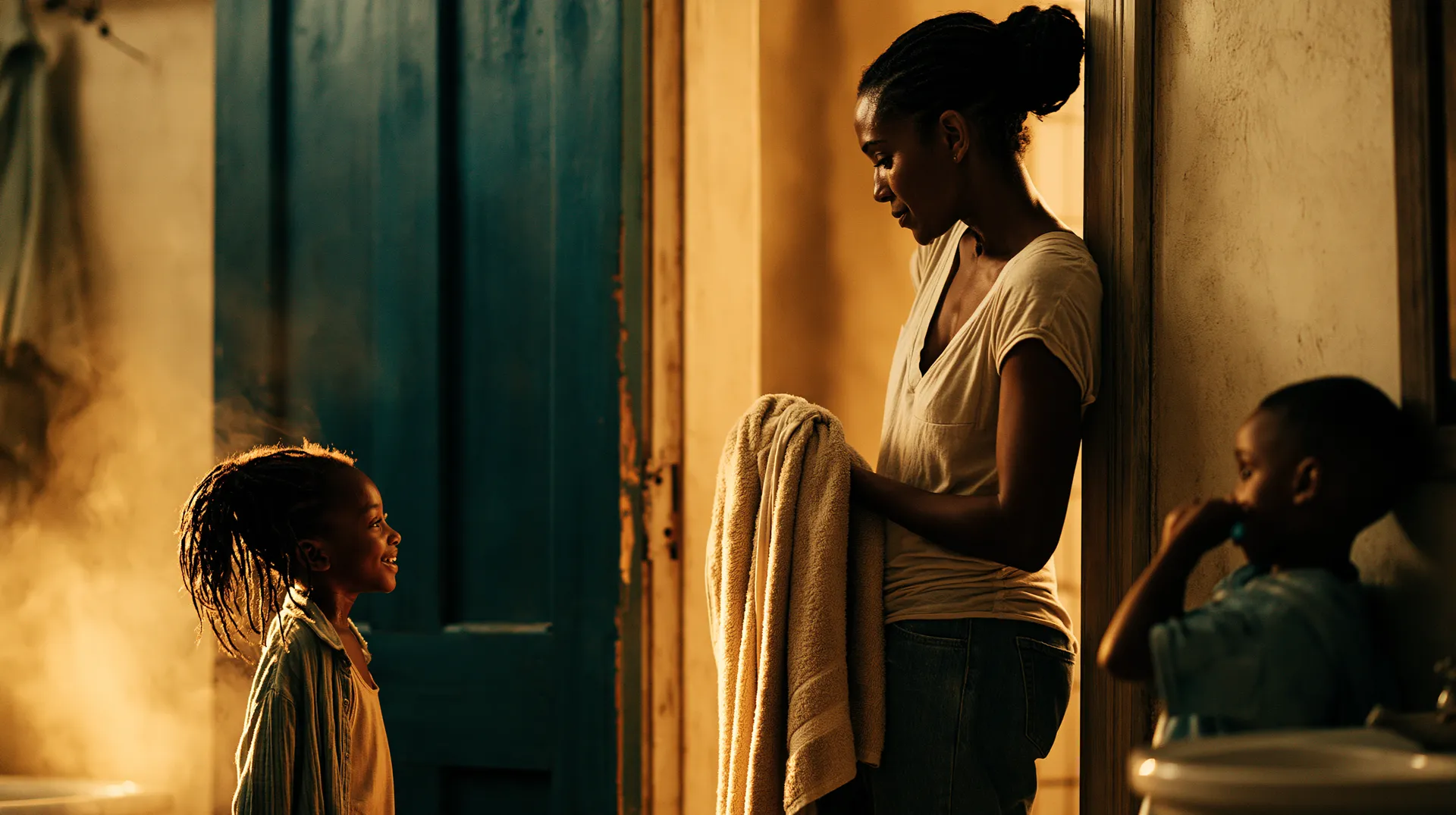
Every bath is a battle, the teeth 'I already brushed them' (no), greasy hair, the same clothes for three days. You insist, you plead, and the answer is a 'later' that never comes or a slammed door. Hygiene has become a daily war zone.

What it stirs up inside you

The daily fight wears you down and pushes you to two extremes: the drill-sergeant chase (reminders, threats, punishments) that turns every day into a standoff, or the tired surrender (giving up on it as impossible). Breathe before entering the loop again. Resistance to hygiene is rarely 'to annoy you': it's almost always laziness of the age, disconnection from their own body, or a bid for autonomy — hygiene is one of the few areas where they can say 'this is mine, not yours.' Understanding it changes the strategy.

What might be going on

Separate the fact from the power struggle. For a child or preteen to find hygiene a bother is extremely common and almost always passing — they're not dirty out of vice nor doing it to defy you. The little ones simply find it boring and prefer to play; with tweens and teens the search for autonomy also crosses in (that the body and the decisions be theirs) and, sometimes, a real disconnection from the body's signals (they don't smell their own odor, they don't feel the plaque). The problem is that hygiene carries a high social cost: it's one of the things a classmate can mock mercilessly. The goal is for it to go from being an order of yours that gets resisted, to a habit of their own that they take charge of. That's achieved more with routine, autonomy and reasons that matter to them (looking good, not being a target of mockery) than with the chase, which usually reinforces the very resistance.

What's better avoided

Don't turn it into a daily power struggle: the more you chase them, the more they dig in, because refusing becomes their way of ruling over something. Don't humiliate them or label them ('filthy', 'you're disgusting') — shame doesn't create the habit, it creates rejection and hides the problem. Don't give in entirely out of exhaustion: hygiene does matter, for health and for the social cost. Don't do it all for them if they're already old enough to do it (brushing a ten-year-old's teeth): you take away the autonomy they need to make the habit their own. And avoid the ten loose orders a day: a clear, agreed routine yields more than the constant reminder you both already hate.
Ways in

Several — never just one

No ranking, on purpose: no two children are alike, and yours isn't even the same as yesterday. Read which one fits your home, today — or combine them.

The door of routine, not the order

Take hygiene out of the daily negotiation by making it an automatic routine, attached to another habit: teeth always after breakfast and before sleep, shower at some fixed moment. What is routine isn't argued each time. With the little ones, make it fun (a timer, a song, choosing their brush); with the older ones, agree together on the when so it's their system, not your imposition.

When it fits: The base for all ages. Especially useful when the fight is over the constant 'not now': the routine removes the argument.

The door of giving them control

With tweens and teens, hand over hygiene as their own territory: their products chosen by them, their routine, their responsibility. 'You're the one who takes care of your body now; I trust you to handle it.' When it stops being a battle with you and becomes something of their own, often the resistance deflates — because there's no longer anyone to resist against.

When it fits: When the resistance is above all a bid for autonomy. Key from age 10 onward, where the chase = more digging in.

The door of the reason that matters to them

Connect hygiene with something that moves them, not you: looking and smelling good for the person they like, not giving grounds for mockery, feeling comfortable, having healthy, pain-free teeth. 'You don't do it because I say so, you do it because it works out better for you this way.' Their own reason sustains the habit when you're not in front of them; your order only works while you're watching.

When it fits: With older children and teens who already reason and for whom image and the group start to matter a lot.

The timing

Don't negotiate hygiene in the hot moment of the slammed door — that only escalates. The agreements (what routine, what products, who takes charge) are talked over calmly, out of the battle, and one-on-one, not in front of siblings who might laugh. Align with whoever parents with you: if one chases and the other lets it slide, the child plays in the gap. And be patient: the apathy toward hygiene is usually a phase; holding routine and autonomy without turning it into a holy war lets it pass better than winning every daily battle.

When to seek professional hands

Refusing hygiene is usually a normal phase handled at home with routine and autonomy. It's worth looking more closely if the neglect is extreme and sustained despite everything, if it comes with other signs that something's off (persistent sadness, isolation, stopping caring for oneself in everything, a drop in mood or in functioning) — because sometimes abandoning self-care is the tip of a larger emotional distress. Also if there's an intense sensory aversion (to water, to textures, to the brush) that suggests a sensory-processing difficulty, or if the problem shows up in a child with a developmental diagnosis. There the pediatrician or a child psychologist help read what's underneath. This is peer commentary, not clinical advice: when in doubt, consulting early tells apart normal laziness from what calls for a look.

Everything in this house is peer commentary and suggestion — it does not replace professional help. It's every mother's and every father's responsibility to notice the situation and to seek it when it can serve. If you need a number, check the directory of helplines by country. The full disclaimer, here.

From the library

Want more perspectives on this situation? Ask the panel — six at once — or talk with a voice from the table.